How Fitness is Changing Women’s T20 Cricket
There was a time when cricket fitness was often discussed in simple terms: stamina, match practice, and perhaps a few fielding drills. That reality has changed dramatically, especially in the women’s game. Today, women cricket fitness is no longer a supporting factor. It has become one of the biggest reasons behind the rise in quality, speed, and intensity in Women’s T20 cricket.
The modern T20 format demands more than talent alone. Players must sprint harder, recover faster, hit longer, field sharper, and remain mentally strong under relentless pressure. As someone who has closely followed women’s cricket over the years, the difference in athletic standards today compared to a decade ago is impossible to ignore.
Fitness Has Redefined the Women’s Game
The biggest transformation in Women’s T20 cricket is athleticism.
Fielding standards have risen dramatically. Diving saves, direct-hit run-outs, and acrobatic boundary stops are now routine rather than exceptional. This improvement is directly linked to stronger conditioning and better athlete trainingprogrammes.
Modern women cricketers are fitter, stronger, and more agile than ever before. Cricket boards and franchise leagues such as the WPL have invested heavily in sports science, recovery methods, and personalised training plans.
The result is faster cricket and far more competitive matches.
Strength and Power Have Changed Batting
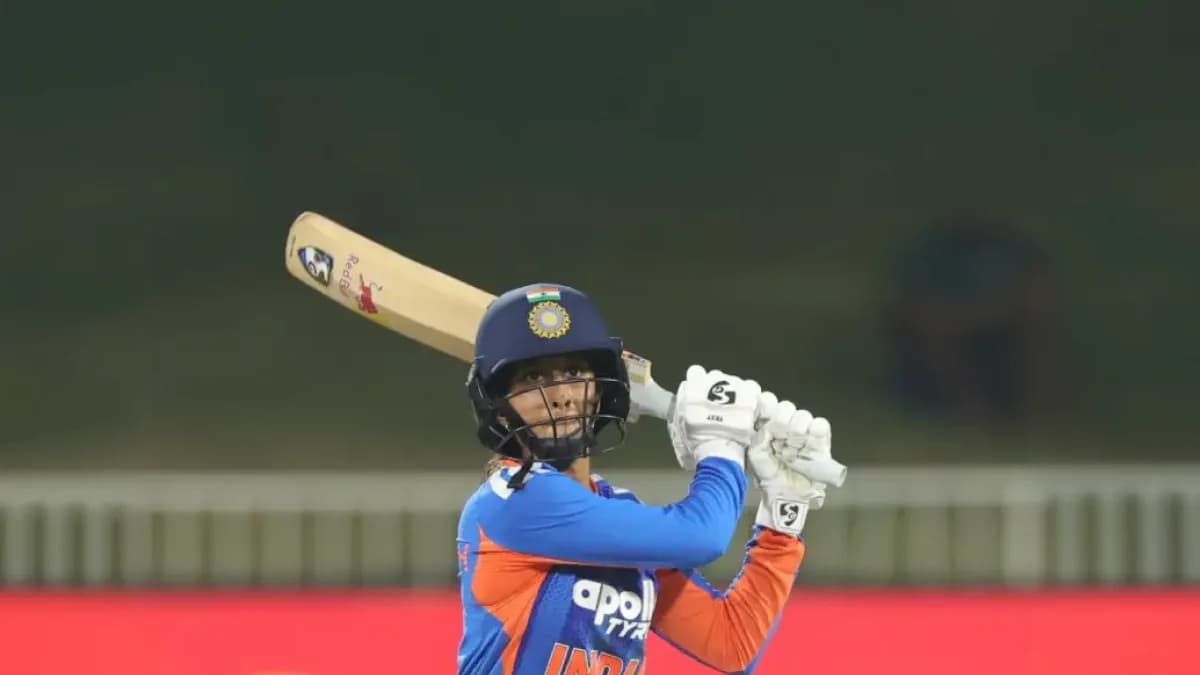
One of the clearest signs of improved women cricket fitness is the evolution of batting power.
Players are striking boundaries more consistently and clearing ropes with greater ease. Improved lower-body strength, core conditioning, and power training have helped batters generate more force and maintain balance while playing aggressive strokes.
Today’s women cricketers workout routines are designed not only for endurance but also explosive power. Squats, resistance training, sprint work, and mobility exercises have become standard parts of preparation.
This shift has made T20 batting more entertaining and unpredictable.
Faster Bowling and Better Injury Management
Fitness has also transformed bowling.
Fast bowlers are now capable of maintaining pace deeper into spells, while spinners rely heavily on fitness to sustain rhythm across demanding schedules. Recovery protocols, workload management, and strength training have helped reduce injuries and extend careers.
In the past, fatigue often impacted performance late in tournaments. Modern cricket fitness routines now focus equally on recovery through nutrition, hydration, sleep, and physiotherapy.
Fitness is no longer about surviving matches. It is about consistently performing at peak levels.
Mental Fitness Matters Too
The conversation around fitness now extends beyond the physical side of cricket.
T20 cricket moves quickly. One poor over or dropped catch can change momentum instantly. Mental conditioning, mindfulness training, and sports psychology have become increasingly important for helping players stay composed under pressure.
The best teams are not only physically fit but mentally resilient.
This complete approach to preparation explains why women’s cricket feels sharper, smarter, and more competitive than ever before.
The Future of Women’s T20 Cricket
The rise of professional leagues and international standards means fitness expectations will continue to grow. Young cricketers entering the system now understand that technical skill alone is not enough.
Future stars will need elite athlete training, disciplined recovery habits, and structured women cricketers workout plans to succeed.
In many ways, fitness has become the hidden engine behind the rapid rise of Women’s T20 cricket.
Conclusion
For fans who love following the evolution of women’s cricket, player fitness journeys, and expert sports analysis, SportlyRadar is the perfect destination. From breaking updates and cricket insights to the latest stories about your favourite sport and player, SportlyRadar brings everything sports lovers need together under one roof.