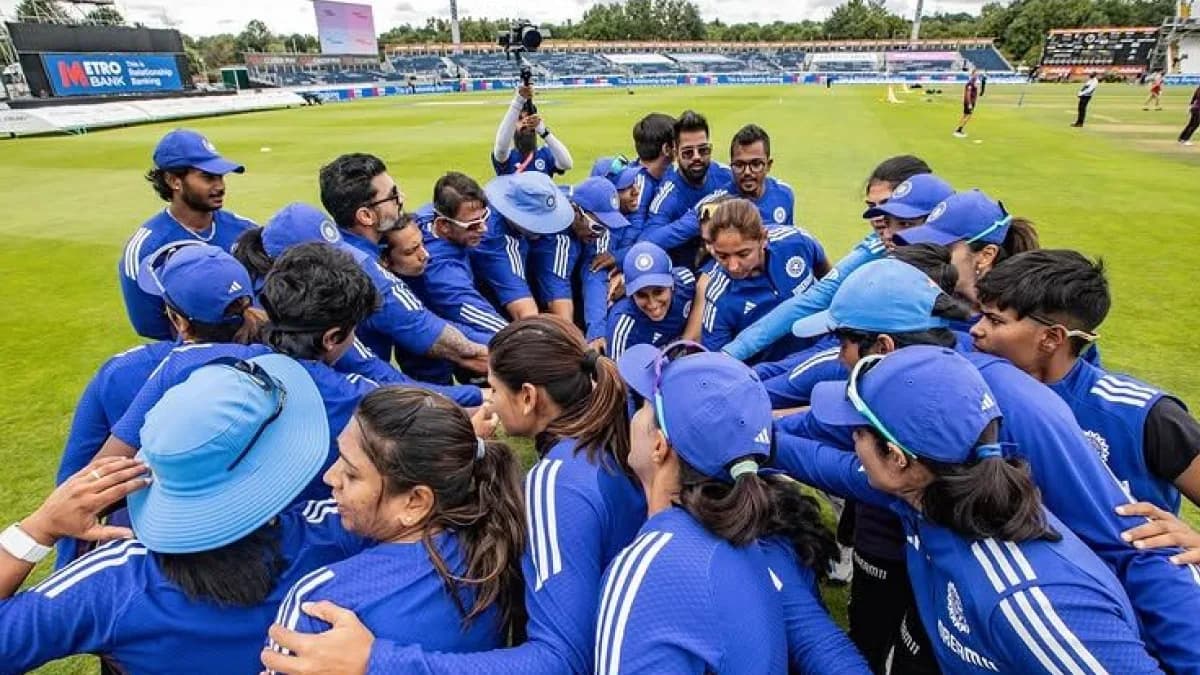
India Women’s T20 Team: Strengths, Weaknesses & Future
With the Women’s T20 World Cup set to begin in June 2026, expectations around the India women cricket team have rarely been higher. India enters the tournament with a talented squad, experienced leadership, and growing confidence after years of competing consistently against the best sides in world cricket.
Yet, as every cricket expert knows, T20 tournaments are rarely won on talent alone. Squad balance, temperament, and execution under pressure often separate contenders from champions. So where does India stand heading into the biggest event in women’s cricket?
A Strong Core Built Around Experience
The biggest strength of the current Indian women T20 squad lies in its experienced batting core. Led by captain Harmanpreet Kaur, India possesses a blend of aggression and stability.
Vice-captain Smriti Mandhana remains one of the finest top-order batters in women’s cricket, capable of changing games within a few overs. Alongside her, explosive opener Shafali Verma provides fearless intent, while dependable names such as Jemimah Rodrigues and Richa Ghosh add depth and finishing power to the batting unit.
The all-round strength of players like Deepti Sharma gives India greater tactical flexibility, particularly in pressure situations.
The Biggest Concern: Pace Bowling and Lower-Order Depth
Despite the optimism, concerns remain. One of the biggest talking points in recent India women cricket news has been India’s pace-bowling depth. Against stronger batting line-ups, India has occasionally struggled to find consistent breakthroughs with the new ball.
There are also questions around lower-order batting reliability. In knockout cricket, matches are often decided by contributions from positions six to eight. India’s top order carries immense responsibility, and any early collapse could expose vulnerabilities.
Leadership Will Be Crucial
While Harmanpreet Kaur remains one of India’s strongest leaders and most influential match-winners, the conversation around succession planning has naturally begun. As the captain moves into the later phase of her career, Indian cricket must start preparing the next generation of leadership.
Modern T20 cricket demands long-term planning, and grooming younger leaders before a transition becomes necessary is often the mark of successful teams. Players such as Smriti Mandhana, with her calm temperament and vast experience, or younger names emerging through the domestic system, could gradually be prepared for larger leadership responsibilities.
The aim is not to rush a change, but to ensure continuity when the time eventually comes. With Indian women’s cricket entering a crucial phase of growth, fresh leadership thinking may become just as important as talent on the field
What Does the Future Look Like?
Regardless of the World Cup result, the future of the India women cricket team looks bright. Young talents continue to emerge from domestic cricket and franchise competitions, creating healthy competition for places.
The upcoming tournament may not simply define India’s present. It could shape the next generation of women’s cricket in the country.
For sports lovers eager to follow every major development, SportlyRadar.com has become a favourite destination for sports news, live scores, expert analysis, and tournament updates. Whether it is cricket, football, tennis, or global sporting events, SportlyRadar ensures fans never miss the stories that matter most.